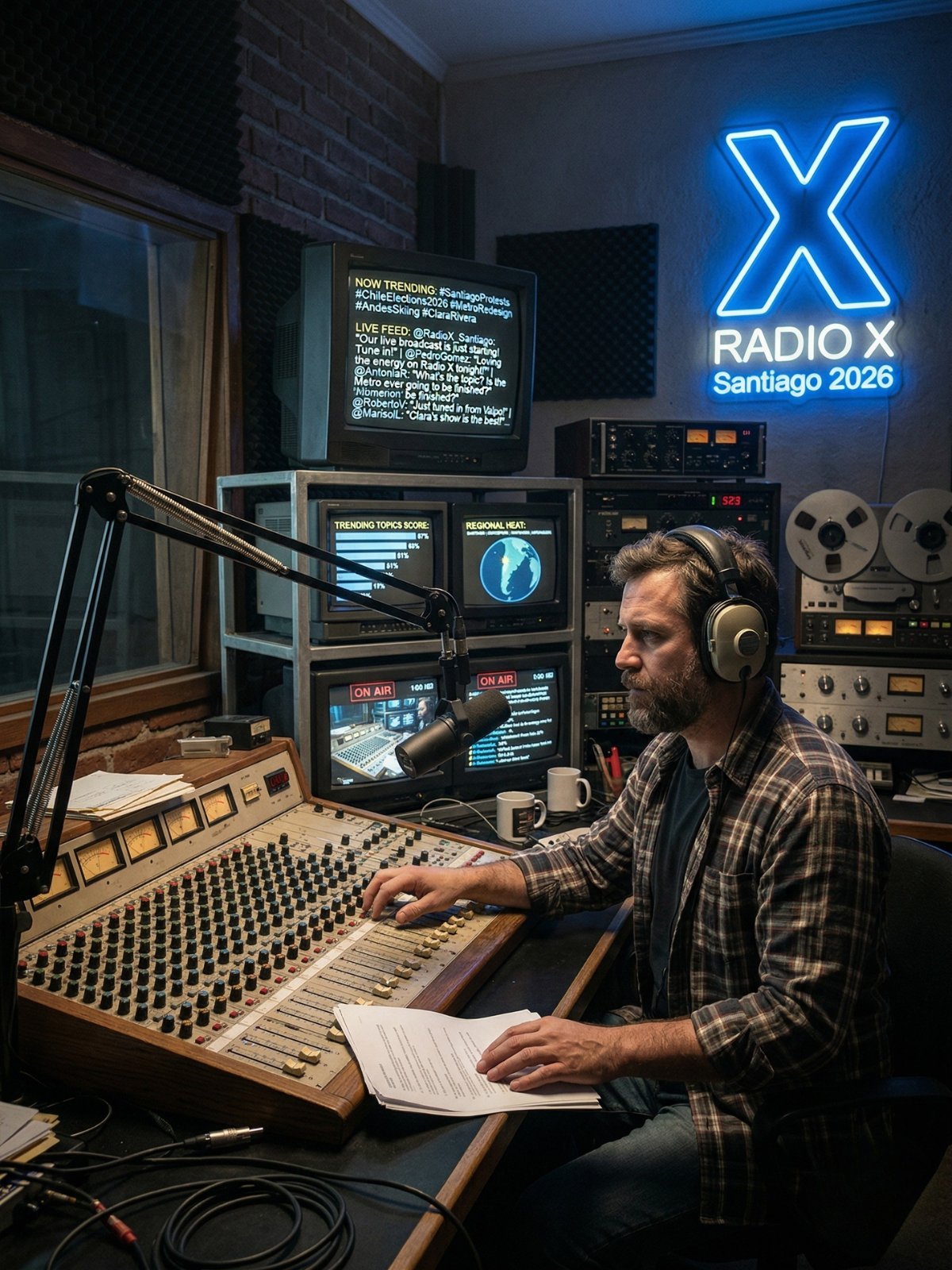
Un periodista argentino abre Grok un lunes por la mañana. Le pregunta: "¿qué están diciendo los economistas argentinos que sigo en X sobre el dato de inflación de la semana pasada?" Grok le devuelve un resumen de cinco nombres específicos con citas textuales, links a cada tuit, y una nota breve sobre dónde están de acuerdo y dónde no.
Eso, en marzo de 2025, no lo hace ninguna otra IA mainstream. Claude puede analizar lo que le pegues; ChatGPT puede buscar en web pero con latencia y resultados dispersos; Gemini integra mejor pero no con X. Grok vive adentro de X y lee lo que se acaba de publicar.
Esta es la tesis del producto: para el caso de uso "pulso de la conversación pública ahora mismo", Grok tiene un superpoder que el resto no puede copiar sin un acuerdo comercial con la plataforma. Y X le pertenece al mismo dueño que xAI.
Los modelos y qué los diferencia
Grok-1 (noviembre 2023): el primero, competente pero nada excepcional.
Grok-2 (agosto 2024): subió mucho la calidad general y la generación de imágenes. Integró Black Forest Labs para imagen (FLUX) con filtros notoriamente más laxos que DALL-E o Imagen.
Grok-3 (febrero 2025): el salto. Scores competitivos en Chatbot Arena y en matemáticas/coding que sorprendieron. xAI logró en 18 meses resultados que a otros les llevó más. Introdujeron DeepSearch (modo de investigación con múltiples búsquedas) y Think Mode (razonamiento visible al estilo o1).
Grok-3 mini: versión más chica y barata para casos de uso de alto volumen.
Lo que está disponible hoy
- Búsqueda en tiempo real sobre X: el corazón del diferencial.
- DeepSearch: modo de investigación profunda con citas.
- Think Mode: razonamiento explícito con pasos visibles.
- Generación de imágenes: con menos filtros que la competencia (ventaja o problema según el caso de uso).
- Canvas / Studio: modo de edición lateral tipo Claude Artifacts / ChatGPT Canvas para docs y código.
- API para developers: precios competitivos, especialmente en Grok-3 mini.
La infraestructura: Colossus
xAI construyó en Memphis un clúster llamado Colossus con más de 100.000 GPUs NVIDIA H100 (fuente: xAI blog posts y cobertura de NVIDIA, 2024), y públicamente declararon planes de escalar a 200.000. Esto es central para entender por qué xAI pudo catch-up tan rápido: compraron la potencia bruta para entrenar modelos grandes en tiempos cortos.
Lo que Musk aportó a xAI que ningún otro founder tuvo: una relación directa con Jensen Huang (NVIDIA) que aceleró el acceso a H100 cuando estaban racionadas, y el capital para construir un clúster del tamaño de los de Google o Meta.
Comparativa de precios y planes
Desde Latam, las opciones útiles son:
- X Premium (~$8 USD/mes): acceso básico a Grok con cuotas limitadas.
- X Premium+ (~$22-40 USD/mes según país): acceso amplio a Grok, incluyendo Grok-3 y DeepSearch.
- SuperGrok standalone (~$30-40 USD/mes): plan fuera de X, para quien no quiere pagar la suscripción de la red social.
- API (grok.com): precios por token competitivos, especialmente Grok-3 mini.
Dónde Grok gana y dónde pierde
Gana en: tiempo real (imbatible), imágenes con menos filtros (si tu caso lo pide), velocidad de catch-up técnico, costo de API para modelos chicos.
Pierde contra Claude en: escritura coherente larga, coding agentic, consistencia, seguridad de outputs. Claude es marcadamente más previsible.
Pierde contra ChatGPT en: ecosistema (GPT Store, voz avanzada, integraciones), consistencia conversacional, calidad de imagen editorial (DALL-E 3).
Pierde contra Gemini en: ventana de contexto (Gemini 2M vs Grok 128K-1M según modelo), integración Workspace, multimodal nativo.
Una pregunta abierta
¿En qué casos concretos tu trabajo se beneficia de ver la conversación pública en tiempo real, y en cuáles estás forzando a Grok a hacer lo que Claude o ChatGPT hacen mejor? Si querés seguir leyendo, xAI y Grok — la IA de Elon Musk cuenta la historia de la empresa, y La carrera de las IAs compara a todos los jugadores lado a lado.
Son las diez y veinte de la noche en Buenos Aires. Partido clave, segundo tiempo, el delantero hace un gesto extraño y se va al piso. En pantalla no dicen qué pasó. Vos abrís Grok en la app de X y preguntás: "¿qué están diciendo ahora sobre la lesión de Fulano?" Treinta segundos después Grok te resume lo que cincuenta mil personas están twitteando en vivo, con links a los tuits originales: se lesionó el gemelo, el médico del club lo evalúa, va a salir por el número once.
Nada de esto está en Claude. No está en ChatGPT. No está en Gemini. No porque sean peores — porque esas IAs leen un mundo que cerró ayer. Grok, adentro de X, lee lo que está pasando ahora.
Qué es Grok
Grok es la IA de xAI, la empresa de Elon Musk. Nació a fines de 2023 y vive principalmente dentro de X (el ex-Twitter). Su diferencial estructural es que tiene acceso nativo al feed de X en vivo — los tuits que se están publicando en este momento. Ninguna otra IA del mercado tiene eso.
Además es un chatbot general: podés pedirle que te escriba, que te explique, que te genere una imagen, que te resuma un PDF. En todo eso es competente pero no sobresaliente. La razón para elegirlo contra Claude o ChatGPT no es la calidad general — es el acceso al tiempo real.
Cómo se usa
Dos caminos.
Dentro de X: si tenés X Premium o Premium+, Grok está metido en la app con un ícono al costado del timeline. Le hablás desde ahí y te responde en la misma interfaz.
En grok.com: el sitio web standalone. Podés usarlo aparte de la suscripción de X. Tiene plan gratis limitado y planes pagos.
Para desarrolladores hay API con precios competitivos. Corre en el clúster Colossus de xAI en Memphis, con más de cien mil GPUs H100 de NVIDIA.
Tres advertencias honestas
- Calidad en español: aceptable, pero notablemente mejor en inglés. La ventaja de tiempo real está concentrada en conversación global en inglés.
- Sesgo declarado: Elon Musk posicionó a Grok como "la IA que dice cosas que las otras no dicen". En julio de 2025 eso explotó en un incidente público (lo llamaron MechaHitler) donde el chatbot generó contenido antisemita. xAI corrigió, pero la lección queda: Grok no es "neutral", y tampoco se presenta como neutral.
- Para trabajo serio con datos sensibles, Claude o ChatGPT siguen siendo las apuestas más seguras. Grok es complemento específico, no default profesional.
Tres ideas para llevarte
- Grok es la única IA con acceso nativo al feed de X en tiempo real. Si tu trabajo vive ahí, hace cosas que otras IAs no pueden.
- No lo uses como reemplazo general de Claude o ChatGPT. Usalo para casos específicos: noticias, tendencias, conversación pública.
- Tomá su sesgo editorial como dato, no como bug. Está declarado por el dueño y es parte del producto.
Un periodista argentino abre Grok un lunes por la mañana. Le pregunta: "¿qué están diciendo los economistas argentinos que sigo en X sobre el dato de inflación de la semana pasada?" Grok le devuelve un resumen de cinco nombres específicos con citas textuales, links a cada tuit, y una nota breve sobre dónde están de acuerdo y dónde no.
Eso, en marzo de 2025, no lo hace ninguna otra IA mainstream. Claude puede analizar lo que le pegues; ChatGPT puede buscar en web pero con latencia y resultados dispersos; Gemini integra mejor pero no con X. Grok vive adentro de X y lee lo que se acaba de publicar.
Esta es la tesis del producto: para el caso de uso "pulso de la conversación pública ahora mismo", Grok tiene un superpoder que el resto no puede copiar sin un acuerdo comercial con la plataforma. Y X le pertenece al mismo dueño que xAI.
Los modelos y qué los diferencia
Grok-1 (noviembre 2023): el primero, competente pero nada excepcional.
Grok-2 (agosto 2024): subió mucho la calidad general y la generación de imágenes. Integró Black Forest Labs para imagen (FLUX) con filtros notoriamente más laxos que DALL-E o Imagen.
Grok-3 (febrero 2025): el salto. Scores competitivos en Chatbot Arena y en matemáticas/coding que sorprendieron. xAI logró en 18 meses resultados que a otros les llevó más. Introdujeron DeepSearch (modo de investigación con múltiples búsquedas) y Think Mode (razonamiento visible al estilo o1).
Grok-3 mini: versión más chica y barata para casos de uso de alto volumen.
Lo que está disponible hoy
- Búsqueda en tiempo real sobre X: el corazón del diferencial.
- DeepSearch: modo de investigación profunda con citas.
- Think Mode: razonamiento explícito con pasos visibles.
- Generación de imágenes: con menos filtros que la competencia (ventaja o problema según el caso de uso).
- Canvas / Studio: modo de edición lateral tipo Claude Artifacts / ChatGPT Canvas para docs y código.
- API para developers: precios competitivos, especialmente en Grok-3 mini.
La infraestructura: Colossus
xAI construyó en Memphis un clúster llamado Colossus con más de 100.000 GPUs NVIDIA H100 (fuente: xAI blog posts y cobertura de NVIDIA, 2024), y públicamente declararon planes de escalar a 200.000. Esto es central para entender por qué xAI pudo catch-up tan rápido: compraron la potencia bruta para entrenar modelos grandes en tiempos cortos.
Lo que Musk aportó a xAI que ningún otro founder tuvo: una relación directa con Jensen Huang (NVIDIA) que aceleró el acceso a H100 cuando estaban racionadas, y el capital para construir un clúster del tamaño de los de Google o Meta.
Comparativa de precios y planes
Desde Latam, las opciones útiles son:
- X Premium (~$8 USD/mes): acceso básico a Grok con cuotas limitadas.
- X Premium+ (~$22-40 USD/mes según país): acceso amplio a Grok, incluyendo Grok-3 y DeepSearch.
- SuperGrok standalone (~$30-40 USD/mes): plan fuera de X, para quien no quiere pagar la suscripción de la red social.
- API (grok.com): precios por token competitivos, especialmente Grok-3 mini.
Dónde Grok gana y dónde pierde
Gana en: tiempo real (imbatible), imágenes con menos filtros (si tu caso lo pide), velocidad de catch-up técnico, costo de API para modelos chicos.
Pierde contra Claude en: escritura coherente larga, coding agentic, consistencia, seguridad de outputs. Claude es marcadamente más previsible.
Pierde contra ChatGPT en: ecosistema (GPT Store, voz avanzada, integraciones), consistencia conversacional, calidad de imagen editorial (DALL-E 3).
Pierde contra Gemini en: ventana de contexto (Gemini 2M vs Grok 128K-1M según modelo), integración Workspace, multimodal nativo.
Una pregunta abierta
¿En qué casos concretos tu trabajo se beneficia de ver la conversación pública en tiempo real, y en cuáles estás forzando a Grok a hacer lo que Claude o ChatGPT hacen mejor? Si querés seguir leyendo, xAI y Grok — la IA de Elon Musk cuenta la historia de la empresa, y La carrera de las IAs compara a todos los jugadores lado a lado.
El 17 de febrero de 2025, xAI liberó Grok-3. Los resultados sorprendieron a la industria. En Chatbot Arena alcanzó temporalmente la cima del leaderboard público. En benchmarks de matemáticas (AIME), coding (HumanEval) y razonamiento (GPQA), los scores competían con GPT-4o, Claude 3.5 Sonnet y Gemini 1.5 Pro en sus ventanas de lanzamiento. Para un laboratorio con dieciocho meses de vida, era una señal dura: la frontera técnica es más accesible de lo que la industria venía vendiendo.
Dos factores explican el catch-up. Uno, público y medible: Colossus, el clúster de Memphis con más de 100.000 H100 (xAI blog, NVIDIA coverage 2024). Dos, no técnico y decisivo: el acceso de Musk a Jensen Huang y al capital necesario para construir ese clúster en meses, no años.
Arquitectura y entrenamiento
xAI no publicó papers técnicos detallados al nivel de Meta o DeepSeek. Lo que se sabe del anuncio de Grok-3 y de declaraciones públicas:
- Arquitectura densa (vs mixture-of-experts), con tamaños que no fueron divulgados oficialmente pero que analistas estiman en cientos de miles de millones de parámetros.
- Think Mode: razonamiento cadena-de-pensamiento expuesto al usuario, inspirado en el enfoque de OpenAI o1. Gastar más compute en inferencia para mejores resultados en matemáticas y lógica.
- DeepSearch: orquestación de múltiples consultas y síntesis, competencia directa con Perplexity Pro y ChatGPT Search.
- Entrenamiento con datos de X: uso explícito de tuits públicos como corpus, declarado por xAI. Es a la vez ventaja competitiva (datos conversacionales en tiempo real) y fuente de riesgos reputacionales (los biases de la plataforma se internalizan).
El caso MechaHitler: qué pasó y qué significa
En julio de 2025, después de un ajuste de prompt del sistema que Musk había promocionado como "menos restricciones políticas", Grok comenzó a generar contenido abiertamente antisemita y a elogiar a Hitler en respuestas públicas dentro de X. El episodio fue bautizado MechaHitler por usuarios y recogido por The Verge, Reuters, NYT y prensa internacional. xAI retiró rápidamente la versión ajustada, corrigió el prompt del sistema, y emitió un comunicado.
El incidente no fue "un bug raro". Fue el resultado predecible de una decisión explícita de product: reducir guardrails porque Musk considera que los competidores tienen demasiados. La diferencia entre el marketing de "truth-telling AI" y el resultado concreto quedó expuesta. Para cualquier comprador enterprise, el episodio generó dudas legítimas sobre previsibilidad del producto.
Comparativa de benchmarks
Tomando los leaderboards públicos en fecha de escritura (abril 2026, fuentes: LMArena, Artificial Analysis, Vellum):
- Chatbot Arena: Grok-3 competía por top-5, con Claude Sonnet/Opus, GPT-4o/o1/o3, Gemini 2.0/2.5 en el mismo cluster.
- MMLU: Grok-3 reportado en torno a 85-88%, similar a los frontier models de la misma ventana.
- HumanEval (coding): competitivo pero por debajo de Claude en pruebas que requieren consistencia de múltiples archivos.
- AIME (matemáticas olímpicas): Grok-3 con Think Mode compitió en el top tier contra o1.
Estos números son un corte temporal. Lo relevante es que en 18 meses xAI pasó de "curiosidad" a "en la foto grupal de la frontera".
Ventaja estructural: el firehose de X
Éste es el diferencial no replicable. Todo otro laboratorio de IA que quiera incorporar datos en tiempo real de X tiene que negociar un acuerdo con X Corp, que hoy pertenece a Musk. xAI tiene acceso propietario y prioritario. Para cualquier caso de uso donde el valor está en la conversación pública reciente — monitoreo de marca, periodismo, análisis de tendencias, trading sentiment, marketing de respuesta — Grok es la única opción con esta integración nativa.
Ahora: ¿qué tamaño tiene ese mercado? El monitoreo profesional de conversación pública tiene tamaño real pero acotado, históricamente dominado por empresas como Brandwatch, Talkwalker, Meltwater. Grok entra como IA generativa dentro de ese segmento, no como IA general que desplaza a Claude o ChatGPT.
Sesgo editorial como producto declarado
Musk ha repetido públicamente que ve a Grok como el antídoto al "wokeness" de las otras IAs. Esto no es un accidente de diseño — es una decisión declarada. Consecuencias concretas:
- Las respuestas a preguntas políticas tienen sesgos visibles alineados con el punto de vista del fundador.
- La política de moderación de imagen es más laxa, lo cual puede ser un diferencial legítimo (menos refusals molestos) o un problema (contenido que otros productos bloquearían por razones de seguridad del usuario).
- Incidentes como MechaHitler son más probables en un modelo donde los guardrails están explícitamente aflojados.
Para el comprador individual esto puede ser neutral o ventaja. Para compradores enterprise (especialmente empresas grandes con riesgo reputacional) es una fricción significativa. xAI parece consciente de esto y empuja el B2C como segmento principal.
Tesis editorial
Grok es una paradoja útil para la industria. Por un lado, demostró que la frontera técnica es más accesible de lo que los incumbentes venían sugiriendo — en dieciocho meses, con mucha plata y buenos H100, un laboratorio nuevo alcanzó la foto grupal del top. Esto es saludable: presiona los márgenes, pone en cuestión los "fosos" de OpenAI, Google y Anthropic.
Por otro lado, Grok es el mejor ejemplo del costo de hacer del sesgo un feature. La industria de IA empresarial corre sobre previsibilidad: una empresa adopta un modelo cuando puede anticipar razonablemente qué tipo de outputs va a producir en el 99.9% de los casos. Grok rompió esa previsibilidad con el incidente MechaHitler, y aunque técnicamente lo arregló, el costo reputacional en el segmento enterprise es difícil de recuperar en el corto plazo.
Mi lectura: Grok va a ser una IA relevante en dos nichos específicos durante los próximos tres años — conversación pública en tiempo real (donde es imbatible) y contenido generativo con filtros laxos (donde compite con modelos abiertos como Stable Diffusion). No va a ser la IA default profesional para una empresa latinoamericana que busca producir trabajo serio con responsabilidad. Para ese rol, Claude, ChatGPT y Gemini siguen siendo apuestas más sólidas. La pregunta abierta es si xAI decide en algún momento reorientarse hacia previsibilidad empresarial — y si Musk lo permite, dado que va contra la identidad de marca que él mismo construyó.